Buying Secondhand Occasionwear: Measurements to Ask For
A secondhand size label may not describe the garment current measurements or any past alteration. Ask for clear measurements and condition information before buying. Compare them with a similar garment you already wear comfortably using the same measuring method.
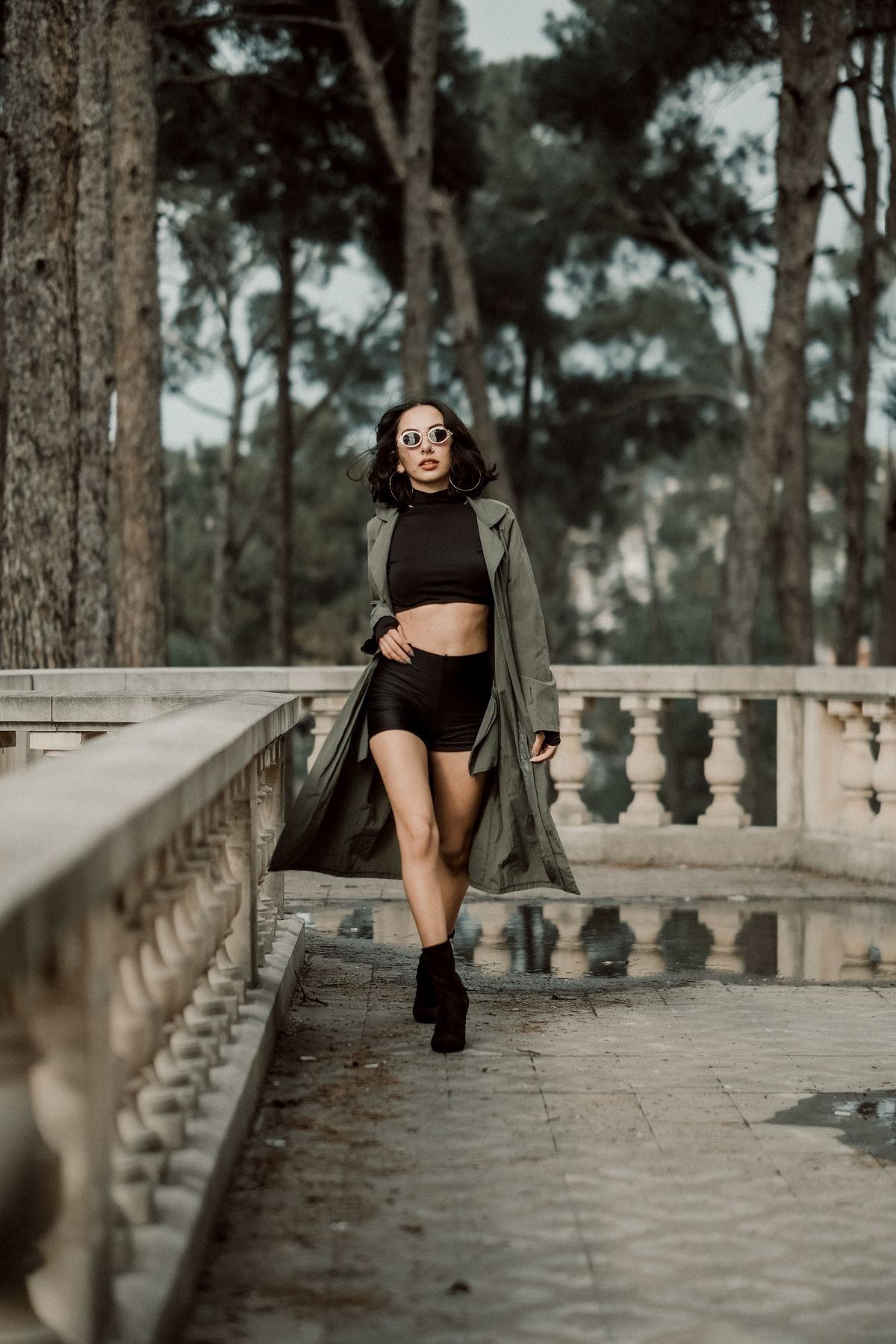
Photo: Pexels · License. Illustrative stock photography; pictured people, products and settings are not claimed to demonstrate this exact guide or endorse this publication.
Identify the garment construction
A woven dress, stretch knit and tailored jumpsuit need different fit comparisons. Ask about lining and closures as well as the outer fabric. Compare clear current measurements and condition information with a decision based only on the original size label.
Request the measurement method
Flat widths, circumference and stretched measurements are different. Ask where the seller places the tape so the numbers can be compared meaningfully. Keep a comparable garment and measuring tape ready before messaging the seller.
Ask about alterations
A hem or seam may have changed even when the original label remains. A seller should describe what they know without implying certainty where the history is unknown. Use a visible checkpoint: seller measurements can be matched to the same points on a similar comfortable garment
Compare with a suitable reference
Use a similar well-fitting garment rather than comparing every dress to one fitted T-shirt. Match the measuring points and construction as closely as possible. Priority: current dimensions and known construction.
Use a dress example
A listed waist measurement may suit you, but a shortened bodice or altered straps can change the whole fit. Ask about total and upper-body length too. Consider this specific example: a dress label matches your usual size, but altered straps and a shortened bodice make shoulder-to-waist length the important question.
Troubleshoot missing information
If key measurements or condition views are unavailable, treat that uncertainty as part of the buying decision rather than filling the gap with optimism. If a key measurement has no clear starting point, first check measurement definitions and any known alterations. Then ask for the method or treat the fit question as unresolved.
Check care and condition
Read the care label and inspect closures, lining and visible wear. A low price may still require care or alteration before the event. The practical tradeoff is a lower price may come with more uncertainty and preparation needs.
Keep the purchase evidence
Save the listing, measurements and seller responses. Check the actual sale and return terms rather than assuming a standard retailer policy. Before finishing, check sale terms and keep the actual seller responses Record the one detail that would be useful next time: the measured points and any alteration information.
Ask questions that can produce comparable answers
Send a short request naming the measurement and method: for example, a flat width at a clearly identified point with the garment unstretched, or total length from the same starting point used on your reference garment. Ask for a photograph with the tape when the definition remains unclear. Request any known alterations separately from the measurements, because a seller may know the current dimensions but not the full history. If the history is unknown, keep it marked unknown rather than assuming the original proportions remain.
Compare with a similar garment you already wear comfortably, including construction and intended ease. A stretch knit reference does not answer every fit question for a lined woven dress. Check closures, lining, straps and visible wear in the listing images. Ask how the care label reads and whether preparation before the event is realistic. Read the actual sale and return terms before deciding, since secondhand arrangements can differ from a conventional retailer. Keep the listing and seller responses. If one key dimension remains unavailable, decide whether you are comfortable with that uncertainty instead of replacing it with the reassurance that the size label is familiar. A low price can still be an impractical purchase when the garment cannot be prepared or altered in time for the occasion.
Your working checklist
Checkmarks stay in this browser when storage is available. They do not submit information or complete a purchase.
Put it into practice
- Identify construction and intended fit.
- Ask for clearly defined measurements.
- Ask whether alterations are known.
- Measure a similar comfortable garment the same way.
- Review condition, care and closures.
- Check sale terms and unresolved uncertainty.
Before you finish
- Measurements use matching definitions.
- Known alterations were discussed.
- Condition and care were reviewed.
- Sale terms were checked.
Common questions
Is the original label enough?
No. Measurements, construction and possible alterations matter. The label is one piece of information rather than a complete fit prediction.
Should I compare flat width with my body circumference?
Do not compare them as identical numbers. Understand the seller method and compare like with like, preferably using a similar garment.
What if the seller does not know the alteration history?
Treat the history as unknown and rely on clear current measurements. Do not assume the original proportions remain unchanged.
Can a bargain still be impractical?
Yes. Missing measurements, care needs or limited alteration options may make a low-priced item unsuitable for your event schedule.