What to Wear to a Garden Wedding With Comfortable Flats
A garden setting changes the practical outfit problem: grass, paths, chairs and changing shade matter alongside the invitation dress code. Start with the requested formality, then choose clothing and shoes that let you move comfortably through the actual venue.
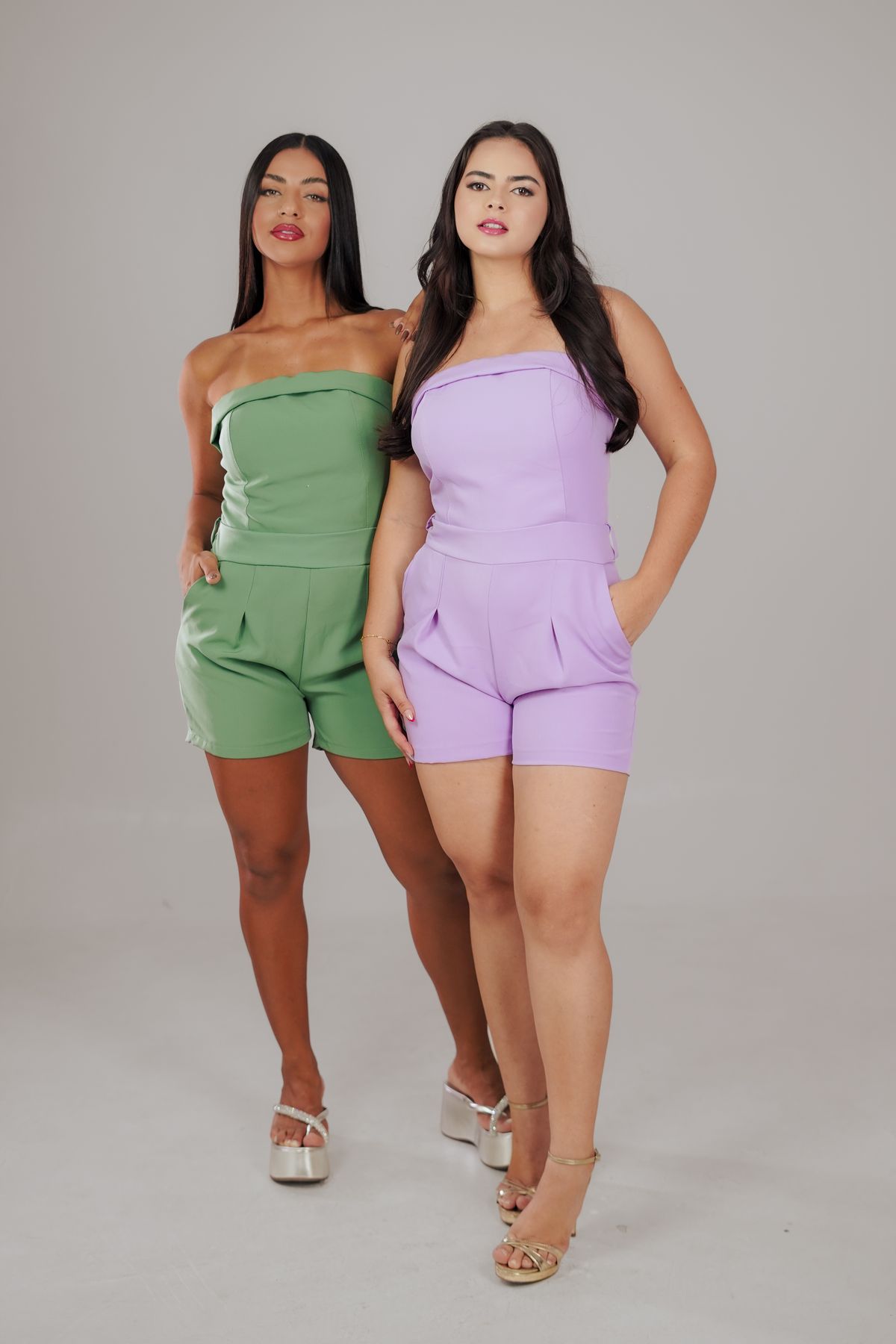
Photo: Pexels · License. Illustrative stock photography; pictured people, products and settings are not claimed to demonstrate this exact guide or endorse this publication.
Read the invitation before the scenery
Garden describes a setting, not a complete dress code. Check the requested formality and any ceremony-specific clothing requirements before selecting a dress. Compare dressy flats suited to the surface with shoes chosen only for a photograph.
Ask about the surfaces
A lawn ceremony followed by a paved terrace differs from a fully indoor reception. Use the venue information to choose shoes rather than guessing from photographs. Try the actual flats with the garment rather than evaluating them separately.
Choose a hem with room to move
Walk and sit in the actual outfit. A hem that needs constant lifting can be awkward around garden chairs and uneven paths. Use a visible checkpoint: you can walk, sit and step without the hem dragging or the shoe becoming unstable
Make flats deliberate
Compare a dressy flat, a polished low shoe or another appropriate stable option with the complete outfit. Shoes do not need height to look considered. Priority: the invitation dress code.
Build a workable example
A patterned midi dress, simple dressy flats and a light removable layer can suit one garden event when its requested formality allows. Consider this specific example: a floral midi and polished flats work on the lawn, while a long trailing hem creates a practical issue even with an elegant shoe.
Troubleshoot an overly casual impression
Change the finish of the bag, shoe or outer layer before assuming heels are required. The whole outfit communicates formality. If the outfit looks too casual for the invitation, first check the complete outfit formality and the actual walking surface. Then compare the bag, fabric and shoe finish as a whole.
Plan the weather layer
Check the actual forecast close to the date and choose a layer that works when worn. A wrap carried all evening is not the same as usable coverage. The practical tradeoff is a shorter practical hem offers easier movement than a dramatic trailing length.
Check ceremony and travel together
Include the walk from parking and any standing wait. Keep host requests central rather than applying one generic wedding outfit rule. Before finishing, check the venue guidance and forecast close to the date Record the one detail that would be useful next time: the shoe and hem combination that allowed comfortable movement.
A full outfit rehearsal for a lawn ceremony
Start with the actual shoes on a clean safe surface. Walk at your normal pace, turn, sit and stand without holding the hem unless the garment is intentionally designed to need that handling. Check the front, back and side of the dress, especially if one section is longer. A flat shoe can look considered through a refined shape, polished material or quiet decorative detail; height is only one feature. Confirm that the shoe stays comfortably on your foot while walking rather than selecting it only because it looks delicate beside the dress. Do not assume a shoe marketed for events is already suitable for your own feet or route.
Next, sit with the bag and layer you will bring. Can the bag hold the actual essentials without becoming difficult to close? Can the layer be worn while your arms move, or does it slide off whenever you reach? A light jacket may be more practical for one wearer than a wrap requiring constant holding. Check the venue information for the actual lawn-to-terrace route and the forecast close to the date. If rain changes the surface or the ceremony moves indoors, reconsider the shoe and outer-layer decision. Keep a simple contingency, such as another appropriate shoe already tested with the hem, instead of carrying several untested alternatives. The result should be one complete outfit that fits the invitation and lets you take part in the celebration comfortably.
Your working checklist
Checkmarks stay in this browser when storage is available. They do not submit information or complete a purchase.
Put it into practice
- Read the exact invitation dress code.
- Confirm outdoor surfaces and expected walking.
- Try the outfit with the actual flats.
- Sit, walk and step up while checking the hem.
- Compare the complete bag and layer combination.
- Confirm current weather and venue instructions.
Before you finish
- The invitation was followed.
- The hem works with the actual shoes.
- The layer can be worn comfortably.
- Outdoor surfaces were considered.
Common questions
Are flats acceptable at a garden wedding?
They can be, depending on the stated formality and local expectations. Choose an intentional dressy option and follow the host information rather than assuming every garden event is casual.
Does garden mean floral clothing?
No. A solid color, tailored separates or another appropriate outfit can work. Floral is an option, not a requirement.
What if the dress is almost floor length?
Test the actual hem with the chosen flat shoes. If it drags, consider appropriate alteration or another garment instead of holding it up all evening.
Should I bring backup shoes?
Only if they solve a real task and fit your carrying plan. Starting with a workable shoe is simpler than relying on an unsuitable main pair.