A Fitting-Room Checklist for Online Clothing Orders
An online order becomes easier to assess when every garment receives the same practical checks. Keep tags and packaging according to the retailer terms while you compare the intended fit, actual movement and complete outfit. Decide from specific observations instead of a rushed first impression.
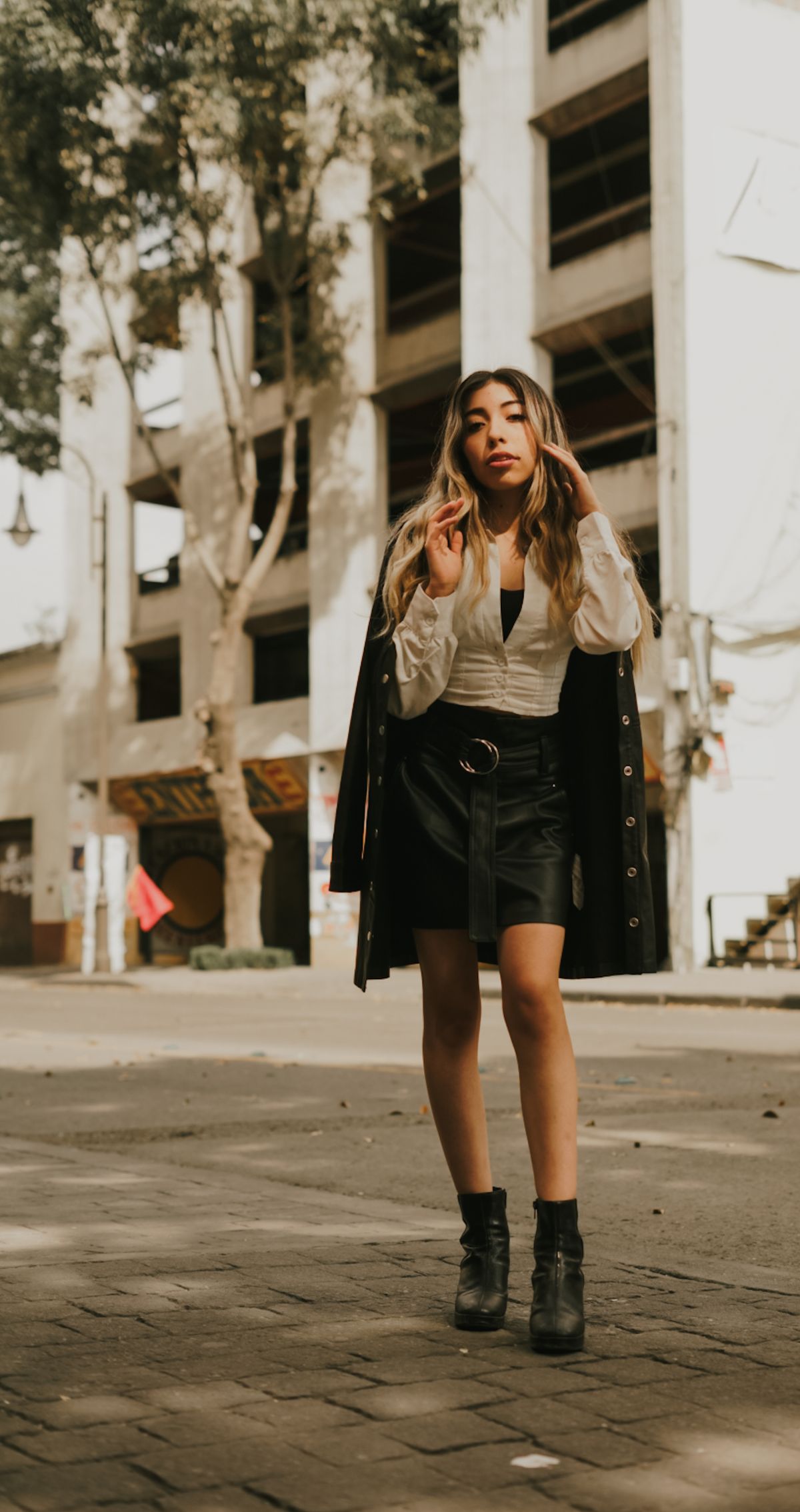
Photo: Pexels · License. Illustrative stock photography; pictured people, products and settings are not claimed to demonstrate this exact guide or endorse this publication.
Read the retailer terms first
Know the return window and condition requirements. Avoid wearing, altering or treating an item in a way that makes your planned return impossible. Compare specific fit and movement observations with a rushed judgment from one mirror angle.
Check the garment identity
Confirm the ordered size, range and material information. A wrong item should be identified before you interpret it as a fit problem. Keep tags, packaging, intended underlayers and actual shoes available.
Use intended underlayers and shoes
A different bra or shoe height can change the apparent fit. Recreate the actual outfit rather than assessing the item in isolation. Use a visible checkpoint: the garment works in the intended outfit while standing, sitting, reaching and walking
Stand naturally
Do not hold in the waist or change posture to make the mirror view work. The garment must suit ordinary use. Priority: normal posture and current return conditions.
Use a movement sequence
Sit, reach forward and walk a few steps. Check the neckline, waist and sleeves together rather than only one flattering angle. Consider this specific example: a blouse looks fine standing but pulls while reaching to a desk, so the movement observation guides the decision rather than the first photograph.
Troubleshoot one issue at a time
Distinguish size, cut, length and preference. Another size may solve width while leaving the same unsuitable proportion. If one flattering pose is the only position that works, first check size, cut, length and personal preference as distinct issues. Then assess another cut or return rather than treating the pose as normal fit.
Compare with the wardrobe
Identify at least one complete outfit using pieces you already own. A garment needing several unplanned purchases has a different practical cost. The practical tradeoff is an item that needs several extra purchases has a greater practical cost than its price alone.
Record the decision before packing
Write a clear keep or return reason and photograph any relevant issue. Repack as required and manage the actual deadline. Before finishing, write the decision and handle the return deadline Record the one detail that would be useful next time: the exact fit reason for keeping or returning.
A consistent keep-or-return sequence
Begin by confirming that the delivered garment matches the ordered range, size and color before interpreting the result as a fit problem. Read the current return conditions and keep the item in an appropriate state while deciding. Put on the underlayers and shoes you intend to use, then stand normally. Inspect the front, side and back without holding the waist in or posing to remove tension. Next, sit and reach toward a table, then walk. Write the location of any restriction or excess, such as upper sleeve, front rise or shoulder-to-waist length.
Classify the issue before ordering another size. A width problem, a proportion problem and a personal dislike of the silhouette can lead to different choices. A larger size may change several dimensions without moving a design detail to the position you want. Compare a similar comfortable garment using the seller own diagram when measurements are available. Build at least one complete outfit with pieces you already own, including a wearable layer if needed. If the purchase only works after several unplanned additions, include that practical cost in the decision. Record a clear keep or return reason and handle the actual deadline, preserving any required tags and packaging. The checklist is complete when it produces a usable decision, not when the garment has been photographed from enough flattering angles.
Your working checklist
Checkmarks stay in this browser when storage is available. They do not submit information or complete a purchase.
Put it into practice
- Read current return conditions.
- Confirm item, size and range.
- Try intended underlayers and actual shoes.
- Stand naturally and check full proportions.
- Sit, reach and walk.
- Record a specific keep or return reason.
Before you finish
- The item identity is correct.
- Normal movement was tested.
- A complete outfit exists.
- The return deadline is managed.
Common questions
Should I keep something that almost fits?
Consider the exact issue and any realistic alteration. Almost fitting at one point may still mean discomfort or a cut that does not suit your intended use.
Will another size solve every problem?
No. Size changes width and other dimensions together. A different cut may be more useful for a proportion mismatch.
Can I remove tags before deciding?
Follow the retailer current return conditions. Keep the decision process compatible with the return option you expect to use.
How do I avoid keeping isolated pieces?
Build at least one complete outfit with items already available. This reveals whether the new garment creates an unplanned chain of purchases.