Black-Tie Optional Outfits Without a Gown: Plan Dressy Separates
Black-tie optional still calls for an elevated outfit, even when you prefer trousers or do not want a traditional gown. Confirm the host expectations and compare the finish of the complete outfit. This guide offers a decision process rather than declaring that every jumpsuit or pantsuit meets every invitation.
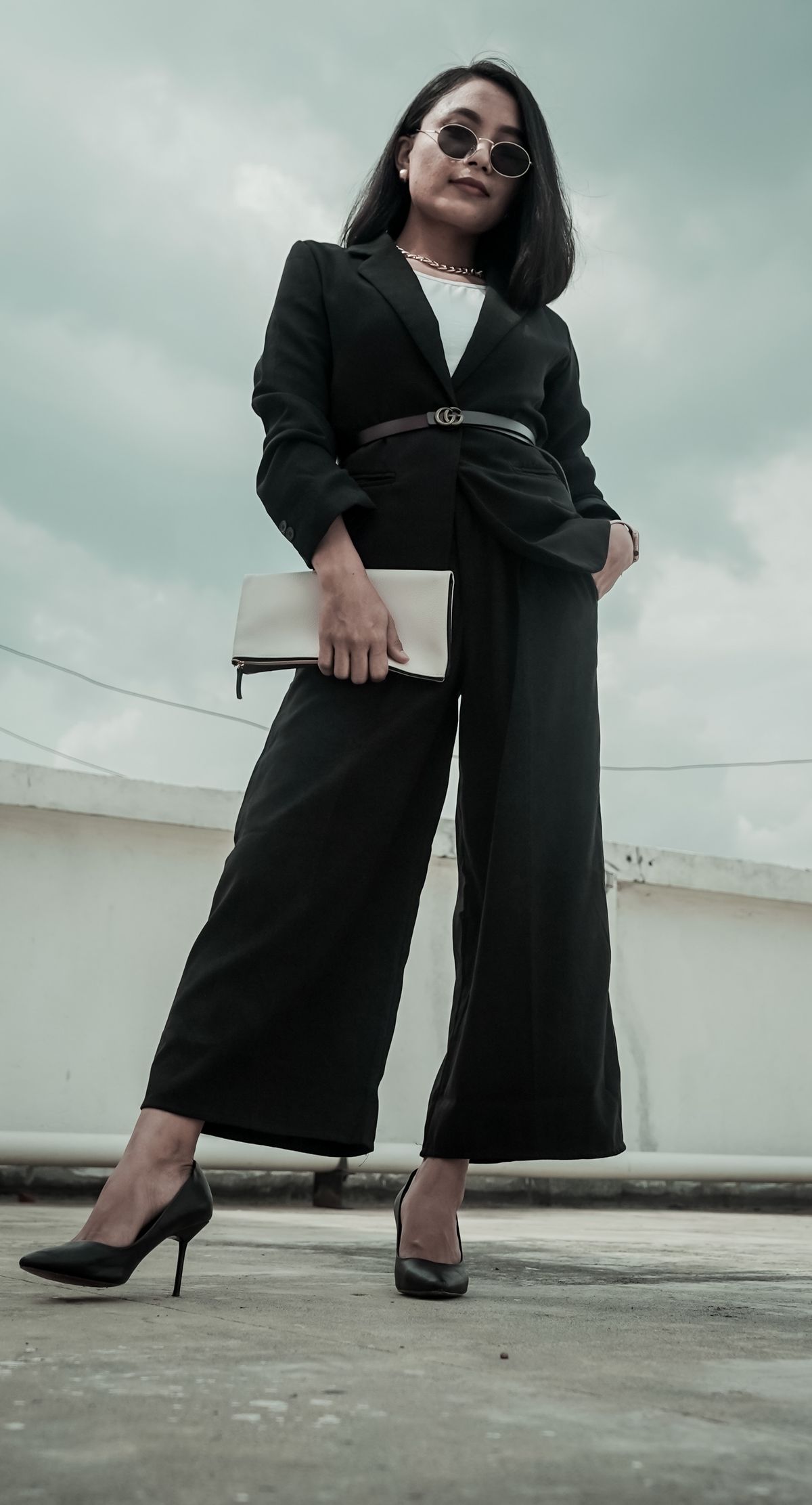
Photo: Pexels · License. Illustrative stock photography; pictured people, products and settings are not claimed to demonstrate this exact guide or endorse this publication.
Clarify the event expectations
Read the invitation and event website together. Ask the coordinator a concise question if the requested formality remains unclear. Compare coherent dressy separates with ordinary office pieces with added decoration.
Choose an elevated base
Compare dressy trousers with a refined top, a coordinated suit or a suitable jumpsuit. Ordinary office separates may need a different fabric or finish. Try trousers, top, shoes and outer layer together in one full-length view.
Check the whole silhouette
Look at shoulder, waist and trouser length together. An elegant photograph cannot show whether the outfit restricts sitting or movement. Use a visible checkpoint: the full combination suits the stated formality and allows comfortable sitting and walking
Choose shoes before hemming
A trouser hem depends on the actual shoe. Avoid planning alteration around a height you will not comfortably wear. Priority: the actual host expectations.
Use a separates example
Dark fluid trousers and a polished evening top can create a coherent outfit when the event permits that approach. A coordinated bag and jewelry complete the decision. Consider this specific example: fluid dark trousers with a refined evening top create a more coherent result than a daytime shirt covered in extra jewelry.
Troubleshoot an office-like effect
Compare the top texture, tailoring and accessories. Adding many decorative pieces is less reliable than changing one clearly daytime component. If the result looks like routine office wear, first check fabric, silhouette and whether one component reads distinctly daytime. Then compare one evening-appropriate top or fabric change before adding more accessories.
Plan the outer layer
A coat or jacket should fit over the selected outfit without crushing the sleeves or making arrival awkward. Include it in the try-on. The practical tradeoff is reusing separates can be economical but may require a carefully chosen top or alteration.
Confirm rather than assume
If an invitation or cultural setting specifies a particular form, follow that information. Personal preference and event expectations must be considered together. Before finishing, resolve any uncertainty with the coordinator before the event Record the one detail that would be useful next time: the top, trouser and shoe combination that met the brief.
Build the outfit from three visible decisions
First, choose the base silhouette: a coordinated suit, fluid dress trousers with an evening top, or another option the event permits. Second, identify the element that makes the combination feel suited to the occasion, such as a refined fabric or clearly evening top. Third, choose shoes and a bag that support that direction rather than competing with it. Try the outfit at full length and from the side. A polished top cannot fix trousers that pull when seated, and elaborate jewelry cannot establish that a daytime jacket meets the host expectations. Ask about the specific combination when the invitation leaves doubt.
For a practical test, sit for several minutes, reach for a glass and walk with the bag. Inspect the waist, armholes and neckline after moving rather than resetting everything for a photograph. Fit the trousers to the actual shoe you will wear; do not rely on a temporary heel height. If you want to reuse an existing suit, compare it with two tops before buying more accessories. One may create a coherent evening direction while the other keeps the outfit looking like routine workwear. Include the arrival coat or jacket in the fitting, particularly if the top has volume or embellished sleeves. Record the full approved outfit, not merely that trousers are acceptable. The suitability comes from the event context and complete combination, not a universal exception for every garment in that category.
Your working checklist
Checkmarks stay in this browser when storage is available. They do not submit information or complete a purchase.
Put it into practice
- Read all event attire information.
- Compare two dressy trouser-based options.
- Check shoulder and waist fit while sitting.
- Choose the actual shoes and inspect hems.
- Add the bag, jewelry and outer layer.
- Clarify any unresolved host expectation.
Before you finish
- The event formality is understood.
- Trousers work with the actual shoes.
- Sitting is comfortable.
- Any uncertain attire request is clarified.
Common questions
Does black-tie optional mean ordinary business clothes?
No. The event remains elevated. Compare the full outfit and ask the host if a trouser-based option is uncertain.
Can a jumpsuit work?
A suitably dressy one may, depending on the event. Fabric, fit and styling matter, and the invitation remains the deciding context.
Do I need very high heels?
No universal heel height establishes formality. Choose an appropriate polished shoe you can use comfortably and fit the hem to it.
What if I already own a dark suit?
Try it with the intended evening top and accessories, then assess whether the result suits the invitation. A suit label alone does not decide the complete appearance.