Wear One Dress to Several Events: Build Distinct Complete Outfits
Repeating a dress can be deliberate when each complete outfit suits its occasion. Change the visual emphasis, shoes or layer rather than buying a new garment automatically. Begin by confirming that the dress itself meets the expectations of all the events you want it to cover.
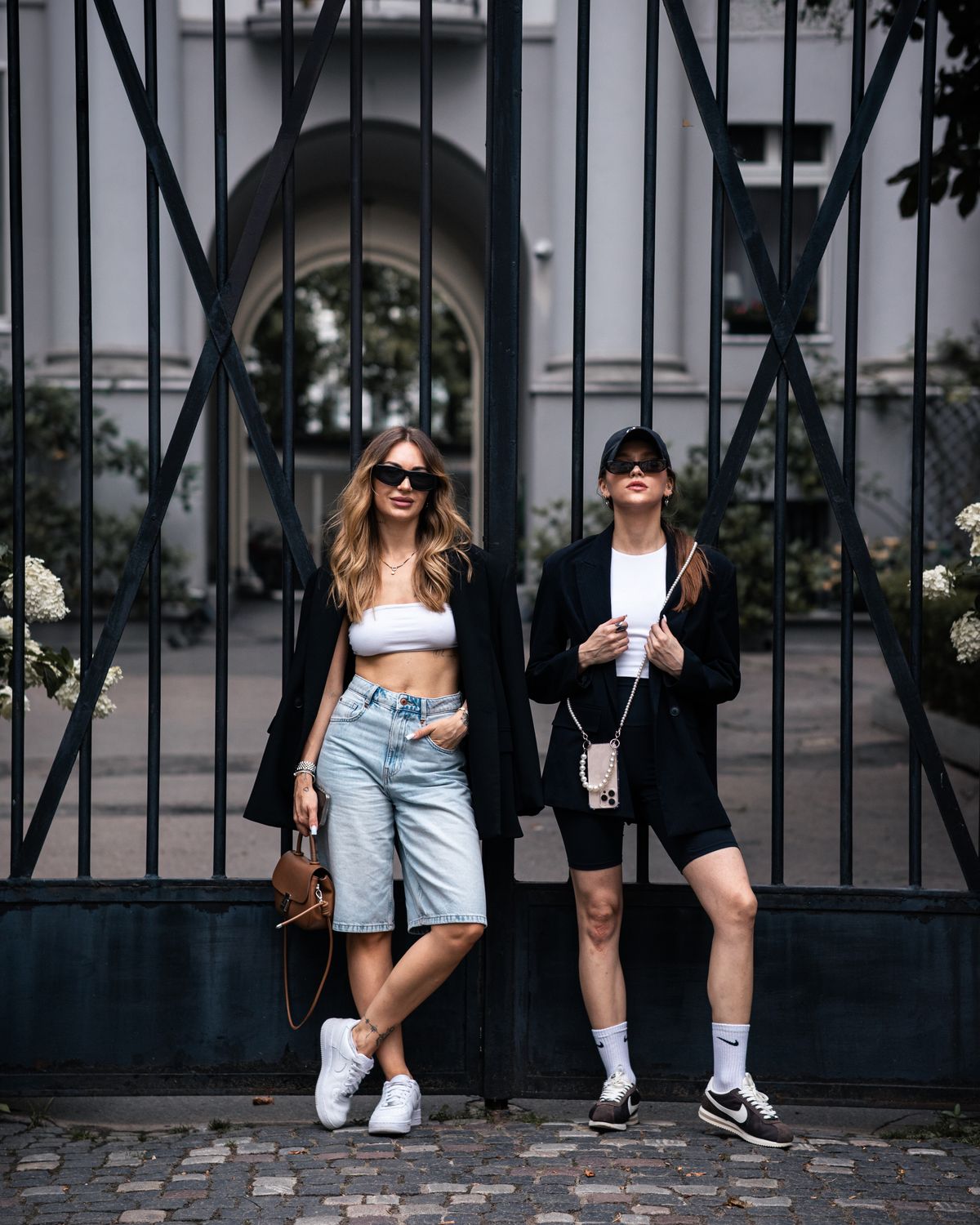
Photo: Pexels · License. Illustrative stock photography; pictured people, products and settings are not claimed to demonstrate this exact guide or endorse this publication.
Check the overlap in formality
One dress may suit several dinners but not every ceremony or work function. Read each invitation before planning accessories. Compare one clear accessory or layer change with several disconnected changes.
Choose the dress role
A quiet base gives accessories more influence; a strong print already leads the outfit. Work with that existing visual character. Lay each accessory group beside the same dress and label its event.
Change one main element
Compare a layer, shoe or jewelry change before replacing every accessory. One clear difference can be enough. Use a visible checkpoint: the dress and each complete combination satisfy the relevant event expectations
Keep fit consistent
Try each shoe pair with the hem. A dress that works with one height may behave differently with another. Priority: the dress suitability for every planned occasion.
Use a two-event example
A simple dark midi can pair with a tailored layer for one event and a refined evening accessory for another where both dress codes allow. Consider this specific example: a quiet dark midi works with a tailored layer for dinner and a refined evening accessory at another permitted event.
Troubleshoot mixed signals
If the outfit combines a casual jacket and highly formal accessories unintentionally, choose which direction should lead. If the accessories send conflicting formality signals, first check the base dress formality and the main accessory direction. Then choose one intended direction and simplify the competing element.
Plan care between wears
Follow the garment label and allow appropriate time for any needed care. Repetition requires the garment to remain ready, not merely available. The practical tradeoff is a versatile base offers reuse but cannot meet every possible event requirement.
Save complete outfit records
Photograph the dress with each accessory group. Label the occasion so the successful combinations are easier to use again. Before finishing, check care timing and the hem with each shoe pair Record the one detail that would be useful next time: the complete accessory group for each event.
Create two looks without changing every piece
Place the same dress beside two complete accessory groups and label the occasion for each. For the first comparison, change only one main element, such as the layer or jewelry, while keeping the shoes and bag familiar. Notice which element leads the outfit. A quiet base can support a stronger accessory, while a printed dress may need less additional detail. Check the actual event requests before deciding that an accessory swap makes the garment appropriate; some formality or coverage differences belong to the dress itself.
Try both complete combinations rather than photographing accessories on the floor. Walk in each shoe pair and check the hem from front, back and side. Put the layer on and sit so sleeve or waist issues are visible. Plan garment care between wears using the label and a realistic schedule; repeating a dress depends on its actual condition, not merely owning it. Save one full outfit photograph per event with a short note about the requested attire. This creates a useful repeat-wear reference without implying that the same dress can meet every occasion. If one combination needs several extra purchases, compare whether another familiar garment would solve the real event requirement more simply. Reuse is practical when the complete outfits work, rather than when it becomes a forced target. Check the arrival coat with both accessory groups. A large sleeve, necklace or embellished shoulder can change how the outerwear sits even when the dress beneath it is exactly the same.
Your working checklist
Checkmarks stay in this browser when storage is available. They do not submit information or complete a purchase.
Put it into practice
- Check the attire expectations for each event.
- Identify the dress visual role.
- Choose one main accessory or layer change.
- Test the hem with each actual shoe.
- Check care timing between wears.
- Save each complete outfit combination.
Before you finish
- Every dress code was checked.
- The main change is intentional.
- All shoe and hem combinations work.
- Care timing is realistic.
Common questions
Will people notice that I repeated a dress?
They may, but repetition does not make an outfit inappropriate. Focus on whether the garment suits the occasion and you enjoy wearing it.
Can accessories change the dress code completely?
Not always. A garment must already be suitable for the event; accessories cannot resolve every mismatch in formality or coverage.
Should every accessory change?
No. One clear change can create a different emphasis while familiar pieces keep the outfit coherent.
What if the dress needs cleaning between events?
Follow its care label and plan realistic time. Do not use an unsuitable shortcut solely to preserve the schedule.