A Three-Day Conference Capsule Wardrobe With Fewer Pieces
A conference capsule should cover the actual agenda, climate and evening events with a small number of compatible pieces. Build complete outfits on paper before packing. Repetition is useful when it is deliberate and the clothing remains appropriate for the occasion.
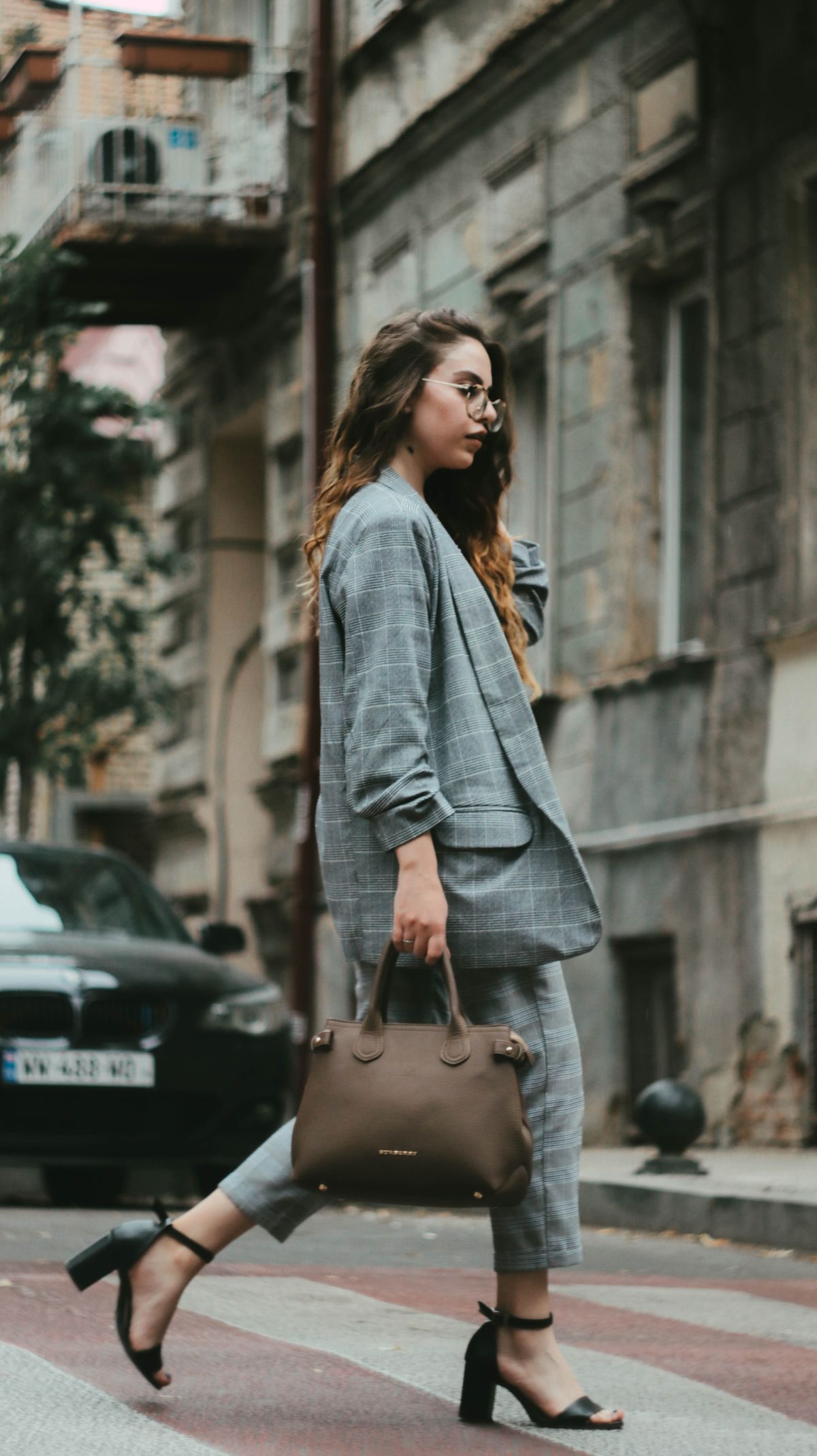
Photo: Pexels · License. Illustrative stock photography; pictured people, products and settings are not claimed to demonstrate this exact guide or endorse this publication.
Mark the agenda categories
Separate travel, presentations, ordinary sessions and evening events. A dinner dress request may require a different piece from daytime meeting clothes. Compare complete compatible outfits with separate garments without assigned roles.
Choose a shared color foundation
Two compatible bottoms and a small group of tops create more combinations than isolated statement garments. Pick colors you already enjoy wearing. Lay out outfits by agenda day instead of packing one clothing category at a time.
Count complete outfits
Pair every top with a bottom and actual shoes. A bag full of attractive pieces is not necessarily a usable capsule. Use a visible checkpoint: every agenda category has a full wearable combination including shoes
Check the long seated day
Try the waist, sleeves and layer while seated. Conference clothing must work for hours of listening and walking between rooms. Priority: the actual conference agenda.
Use a three-day example
One trouser, one skirt or second trouser, three tops and a versatile layer can form a starting comparison, adjusted to the agenda. Consider this specific example: three tops share two bottoms, while one refined top covers the dinner without requiring an extra skirt and shoe pair.
Troubleshoot the extra evening outfit
Compare whether one existing base can become dressier with a suitable top before adding another full look. If one evening event has no suitable outfit, first check the missing event role rather than total garment count. Then compare a dressier top with an existing base before adding another full look.
Pack by care needs
Follow garment labels and consider available cleaning or pressing. Do not rely on a fabric name alone to promise wrinkle-free travel. The practical tradeoff is fewer pieces save space but need deliberate compatibility.
Keep a used-outfit record
Note which pieces combined successfully and which remained unused. That evidence improves the next conference capsule. Before finishing, remove any item without a clear outfit or contingency role Record the one detail that would be useful next time: the combinations actually worn.
Build outfits against the actual agenda
Make a row for each day and add travel, presentation, ordinary sessions and evening events beneath it. Place a complete clothing combination beside every role. If one garment covers several roles, mark that reuse clearly rather than adding another piece automatically. Try the tops with both chosen bottoms so compatibility is demonstrated rather than assumed. A layer should fit over every intended top, including sleeve volume, and the shoes should suit the planned walking and standing. A third attractive top that matches no bottom is not yet a useful capsule item.
For the dinner, compare a refined top with one daytime base before packing a full separate outfit. Check the actual event attire information; this strategy is only useful when the result is suitable. Read care labels and consider what can realistically be refreshed between wears. Do not assume every hotel iron, steamer or sink wash is appropriate for the garments. Pack the combinations into the actual bag and check current route requirements. Keep a short accessible outfit list so the first morning does not become a search through every item. After the conference, note which role each piece actually served and which pieces remained unused. A successful capsule is not the smallest possible number at any cost; it is a small set of complete outfits that allowed you to attend the real agenda comfortably.
Your working checklist
Checkmarks stay in this browser when storage is available. They do not submit information or complete a purchase.
Put it into practice
- Mark each agenda event by attire need.
- Choose compatible bases and tops.
- Build complete outfits including shoes.
- Sit and walk in the planned combinations.
- Check care needs and packing space.
- Remove pieces without a specific agenda role.
Before you finish
- Every event has a complete outfit.
- Seated fit is comfortable.
- Shoes suit conference walking.
- Every packed item has a purpose.
Common questions
How many outfits do I need for three days?
Count the actual agenda rather than following a universal number. Presenting, travel and evening events may create different needs.
Can I repeat trousers?
Yes, when their condition and the event make it appropriate. A capsule relies on practical reuse rather than a new outfit for every session.
Do I need heels for networking?
No universal shoe height establishes professionalism. Choose a permitted polished shoe suitable for the walking and standing involved.
What if the conference venue is cold?
A removable layer can help, but choose one that fits over the planned tops and suits the event rather than packing an unrelated bulky item.