Museum and City-Walking Outfits: A Practical Day-to-Dinner Plan
A city day may combine walking, museum entry, a café and dinner without a return to the hotel. Build the outfit around actual movement and venue requirements, then choose one polished detail. Do not assume an attractive street-style photograph proves a shoe is comfortable for your route.
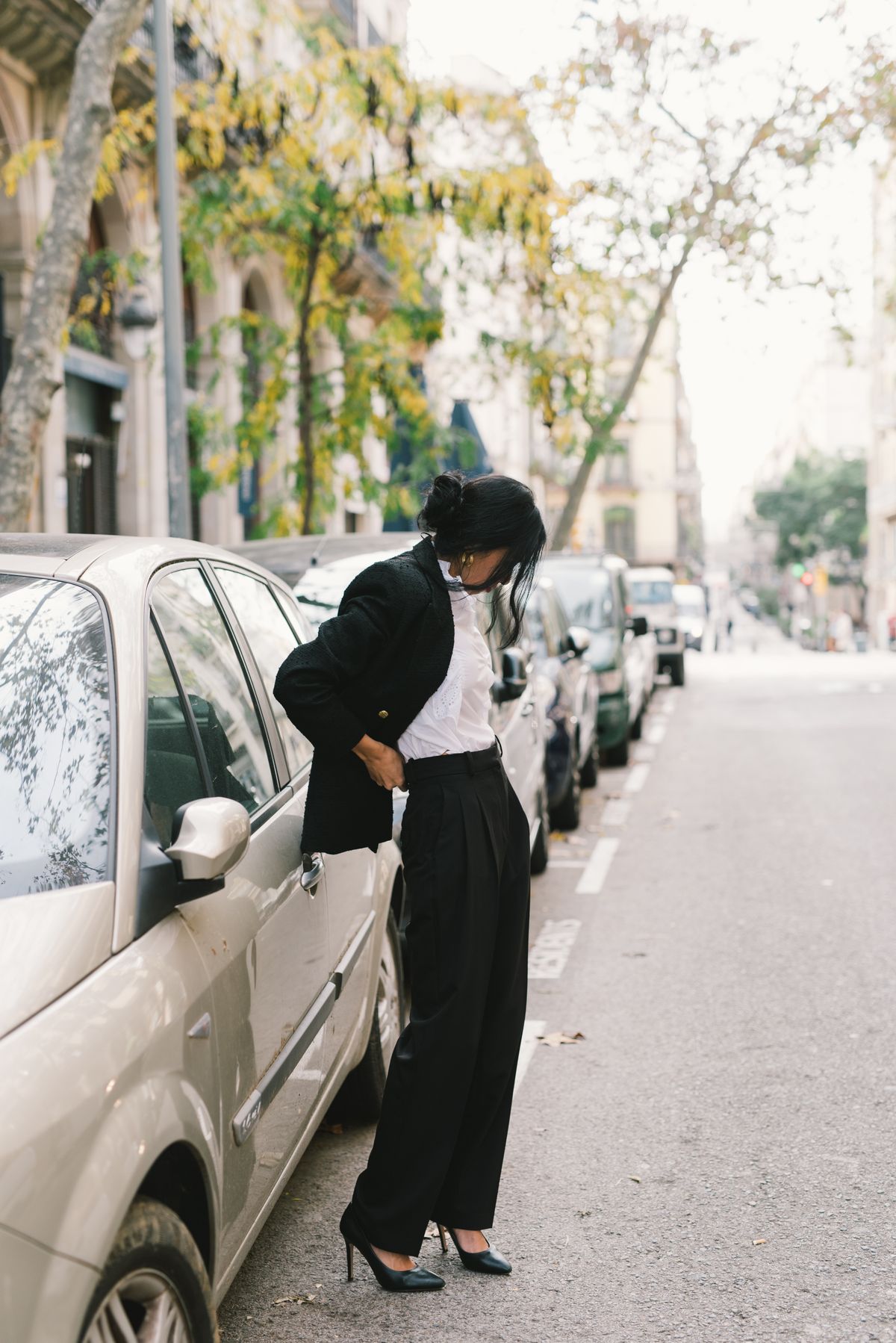
Photo: Pexels · License. Illustrative stock photography; pictured people, products and settings are not claimed to demonstrate this exact guide or endorse this publication.
Map the real itinerary
Separate long walks, indoor visits and any reservation with a dress policy. The most demanding part should inform the base outfit. Compare a familiar walking-friendly base with a photograph-led outfit with untested shoes.
Start with familiar shoes
Choose footwear already suitable for your ordinary walking. A new pair is an untested variable, even when it looks ideal with the outfit. Try the packed bag with the actual shoes and layer.
Choose a flexible clothing base
Compare trousers, a skirt or a dress according to movement, weather and your preference. The best choice is the one that works through the route. Use a visible checkpoint: the outfit covers the actual route and every planned venue requirement
Plan the removable layer
Museum temperatures and outdoor conditions can differ. Use a layer that fits in the bag or remains comfortable when carried. Priority: the real walking route and venue policies.
Use a day-to-dinner example
A simple trouser and knit-top combination can become more polished with a neat layer or jewelry when the dinner venue permits. Consider this specific example: comfortable trousers and a refined top cover museum visits and an allowed dinner setting without carrying another full outfit.
Troubleshoot an overfilled bag
Remove items without a route-specific purpose. A bag that becomes heavy can undermine an otherwise comfortable outfit. If the bag becomes uncomfortable during the walk, first check bag contents, shoe familiarity and unnecessary duplicate layers. Then remove items without a specific itinerary role.
Check garment care and packing
Read labels before choosing items expected to recover easily after a journey. Do not treat fabric names as promises of wrinkle-free travel. The practical tradeoff is one adaptable outfit saves carrying space but must suit every planned setting.
Keep a useful route note
Record the shoe, layer and bag that worked for the distance. This provides better future guidance than a photograph alone. Before finishing, check that the layer remains manageable when removed Record the one detail that would be useful next time: the shoe, layer and bag combination used for the actual distance.
A day route can reveal the weak outfit component
List the longest walking segment, the expected indoor stops and the restaurant policy if dinner is included. Start with shoes you already know through ordinary use and build the outfit around them. Try sitting, stepping and carrying the actual bag. A visually coordinated shoe that has never been worn for your normal walking is still an unknown. Check whether the bag strap changes how the top sits and whether removing the layer leaves a complete outfit rather than an unfinished base.
Pack only the items that serve the route. A spare layer, extra shoe and separate evening top all need a reason, and each adds handling during the day. If one refined top already works with the walking trousers and restaurant requirements, carrying another complete outfit may be unnecessary. Read garment care labels before relying on a quick refresh at the accommodation. Keep the outfit decisions distinct from current venue entry rules, which must be checked directly. After the trip, note the actual distance, shoe and layer that worked, along with anything carried but never used. That record can support a smaller, better planned city wardrobe next time without claiming that the same combination is appropriate for every museum, restaurant or climate. Put the outer layer into the bag once during the rehearsal. A layer that only fits when the bag is empty has not been tested under the actual carrying conditions of the sightseeing day.
Your working checklist
Checkmarks stay in this browser when storage is available. They do not submit information or complete a purchase.
Put it into practice
- List the walking distance and planned venues.
- Check any dinner attire policy.
- Choose familiar suitable shoes.
- Build the outfit around those shoes.
- Test the bag and removable layer.
- Record what worked after the full route.
Before you finish
- The route is realistic.
- Shoes are familiar.
- Dinner requirements are checked.
- Every carried item has a role.
Common questions
Can one outfit cover museums and dinner?
Often, depending on the dinner policy. Check the actual venue and use a coherent polished base rather than relying on a last-minute accessory.
Should I bring a second pair of shoes?
Only if they solve a real need and fit the carrying plan. A workable main pair is usually simpler.
Are dresses practical for city walking?
They can be if the hem, fabric and fit suit your route and preference. Test movement rather than applying one universal garment rule.
How do I avoid packing too many layers?
Check the actual forecast and itinerary, then assign each layer a role. Remove duplicate pieces that solve the same task.