Interview Outfit Planning When You Have a Long Commute
An interview outfit must work before you enter the meeting room. Consider the employer guidance, journey, weather and any practical changing arrangement. Choose clothing that arrives usable without relying on several rushed adjustments just before the appointment.
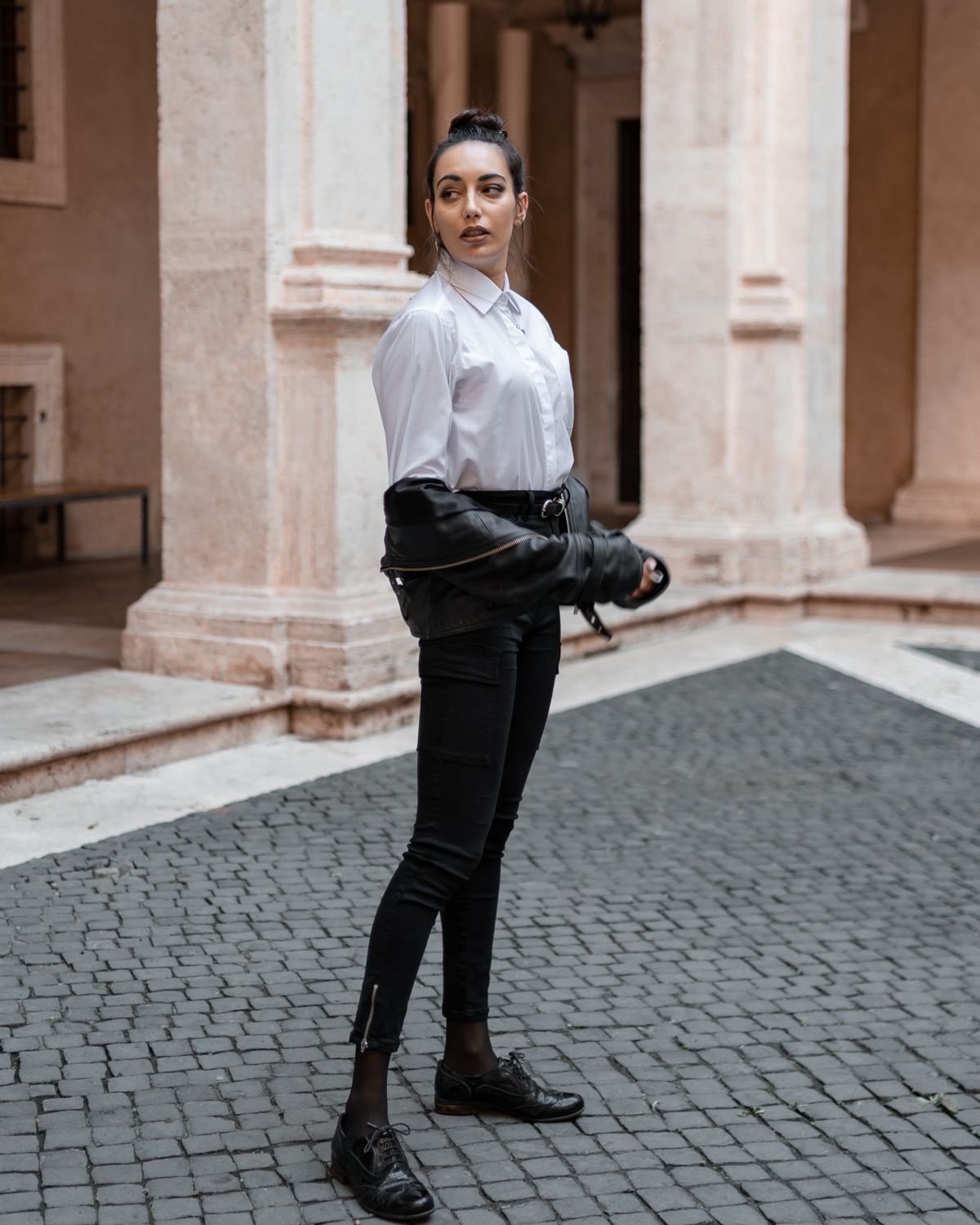
Photo: Pexels · License. Illustrative stock photography; pictured people, products and settings are not claimed to demonstrate this exact guide or endorse this publication.
Confirm the role context
Ask for attire guidance if available and consider the actual interview format. An office discussion and a practical site assessment may require different clothing. Compare a familiar complete travel-to-meeting plan with an untested outfit needing rushed changes.
Map the journey
Include walking, transit seats and the final distance to the building. Time spent traveling can reveal fit and shoe issues not visible in a mirror. Pack the actual bag and wear the intended outer layer during the rehearsal.
Choose a stable outfit base
Use familiar pieces that fit while sitting. Avoid making the interview the first occasion for every garment and shoe. Use a visible checkpoint: you can sit, walk and carry essentials without constant adjustment
Plan the outer layer and bag
The coat must fit over the outfit and the bag must hold essentials without forcing the shoulders into an awkward position. Priority: the employer and role requirements.
Use a transit example
Comfortable polished shoes may work for both travel and the interview. A planned shoe change is useful only when there is space and time to manage it. Consider this specific example: a polished comfortable shoe works throughout the journey, while an unnecessary second pair adds bulk and a stressful arrival task.
Troubleshoot arrival creasing
Choose another garment or supported care approach after reading its label. Do not promise that a particular fiber cannot wrinkle. If the outfit needs major correction after transit, first check seated fit, walking distance and the feasibility of any change. Then change the relevant garment or commute arrangement before the interview.
Check camera and in-person needs
For a hybrid format, consider both the seated camera view and the full outfit. A camera-friendly top alone does not solve travel or practical tasks. The practical tradeoff is a separate commute item can help but adds handling and carrying requirements.
Rehearse the complete sequence
Pack documents, sit in the outfit and walk briefly with the bag. The rehearsal tests the actual plan rather than only its appearance. Before finishing, keep documents accessible without unpacking the whole bag Record the one detail that would be useful next time: the garment or shoe that remained comfortable after travel.
Rehearse arrival rather than only the mirror view
Pack the actual bag with documents and essentials, put on the outer layer and sit as you would during the journey. Check whether the jacket fits over the top, whether the waistband remains comfortable and whether the bag is manageable while standing. Walk a short familiar route in the intended shoes before using them for the interview. If a separate commute shoe is planned, identify a realistic changing place and where the spare pair will go. Do not make the plan depend on balancing luggage outside an unfamiliar entrance minutes before the appointment.
After the seated rehearsal, stand and inspect the outfit without immediately smoothing or rearranging it. Decide whether any creasing is acceptable to you and whether the garment care instructions allow the preparation you had planned. If the role includes a practical assessment or site tour, check the specific clothing and footwear guidance first. For a hybrid interview, compare the seated camera view as well as the full in-person outfit; a suitable neckline for a screen does not settle the rest of the day. Keep the final document and contact details accessible in the bag. The purpose of the rehearsal is to remove one predictable distraction at a time, so the outfit supports the appointment instead of creating an additional arrival task.
Your working checklist
Checkmarks stay in this browser when storage is available. They do not submit information or complete a purchase.
Put it into practice
- Confirm role and interview format.
- Map the actual commute and final walk.
- Try familiar pieces while seated.
- Check outer layer and bag capacity.
- Rehearse any intended shoe change.
- Pack essentials and review the full arrival sequence.
Before you finish
- Role requirements are understood.
- Seated fit was tested.
- The bag is manageable.
- Any arrival change is realistic.
Common questions
Should I wear a suit to every interview?
No single rule covers all employers and formats. Use the actual role guidance and choose an appropriately polished complete outfit.
Can I commute in different shoes?
Yes, if the change is practical and there is suitable time and space. Do not rely on an awkward last-minute change outside the building.
What if the outfit creases easily?
Test seated wear beforehand and compare another garment if necessary. Follow the care label rather than improvising heat treatment.
Do I need new clothes?
Not automatically. Familiar well-fitting pieces can be more reliable than an entirely new outfit that has never been worn through a commute.