Cocktail Outfits With Trousers: Build a Polished Evening Combination
A trouser-based cocktail outfit works best when its pieces share the same intended occasion. Start with the invitation, then coordinate the fabric, silhouette and accessories. Do not expect one decorative bag to turn every daytime trouser combination into evening attire.
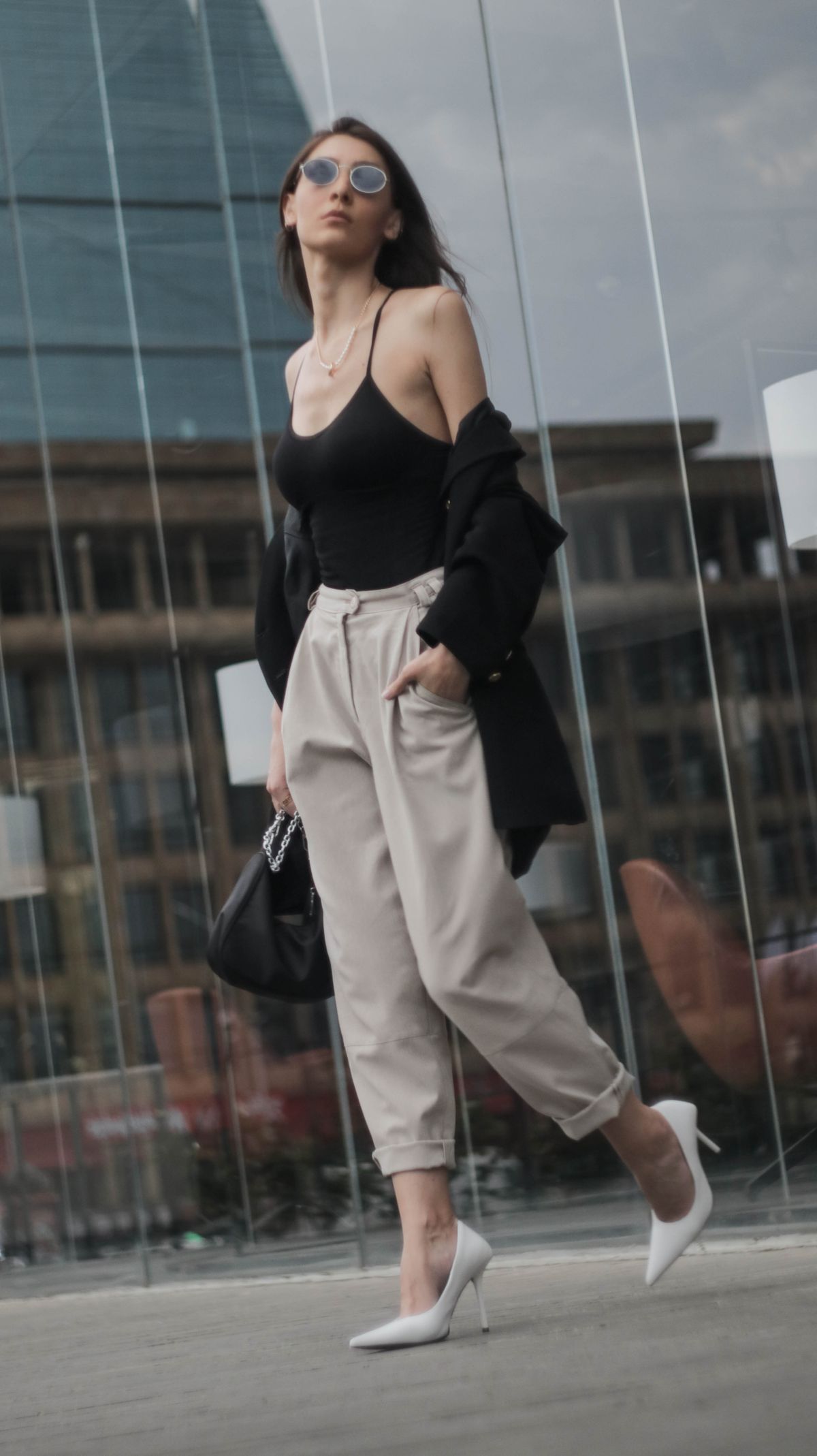
Photo: Pexels · License. Illustrative stock photography; pictured people, products and settings are not claimed to demonstrate this exact guide or endorse this publication.
Identify the actual occasion
A wedding, business reception and private party can apply cocktail language differently. Read the event information and ask when necessary. Compare coherent dressy separates with daytime pieces relying on one decorative accessory.
Choose the trouser foundation
Compare tailoring, fabric drape and the way the waist sits. A comfortable fit matters during seated meals as well as standing photographs. Try the intended underlayers, shoes and bag with the outfit from the beginning.
Select one clear evening element
A refined top, fabric texture or coordinated jacket can establish the direction. Avoid making every piece compete for attention. Use a visible checkpoint: the complete combination suits the event and remains comfortable while sitting and moving
Check the neckline and support
Try the intended underlayers with the top before the event. A neckline that needs constant correction is not a finished outfit choice. Priority: the occasion-specific invitation.
Use a simple combination
Dark trousers, a polished sleeveless top and a dressy flat can be one coherent starting point where the dress code permits. Consider this specific example: fluid dark trousers and a refined top form a clearer evening direction than a casual shirt plus an elaborate clutch.
Troubleshoot mismatched proportions
Try the actual top tucked, untucked or with another length. Change one proportion instead of buying several unrelated accessories. If the top and trousers look disconnected, first check fabric finish, neckline and top-to-trouser proportion. Then compare their fabric finish and proportions before adding accessories.
Choose the bag for use
Check that essential items fit and that carrying it leaves the outfit manageable. A decorative bag is still a practical object. The practical tradeoff is separates offer reuse but require more coordination than one garment.
Rehearse the complete outfit
Sit, reach and walk with the shoes, jewelry and layer. A full try-on reveals issues that a hanger combination cannot. Before finishing, complete a sitting and reaching check with the final accessories Record the one detail that would be useful next time: the top length and shoe combination that balanced the trousers.
Compare two complete evening combinations
Use the same trousers with two possible tops and photograph both at full length. Keep shoes and bag unchanged for the first comparison so you can see what the top actually changes. Look at fabric finish, sleeve volume and where the top ends or tucks. A longer relaxed top and a closely fitted evening top create different proportions; decide from your preference and movement rather than a rule that every wide trouser needs one particular partner. If the event is a work reception, include that professional context rather than treating it as identical to a private party.
Sit at a table-height surface and reach forward. Check whether the neckline stays where you want, whether sleeves interfere and whether the waistband remains comfortable. Try the intended underlayers from the beginning. A dressy top that only works with an untested support arrangement is an unresolved part of the outfit, not a finished choice. Next, check the trouser hem with the actual shoes and walk while carrying the bag. Confirm that the bag holds the essentials without forcing an awkward grip. If the outfit still feels disconnected, change one clearly daytime component before adding more shine or decoration. Save the full successful combination and the event expectations it met. This makes the separates reusable without assuming that the word cocktail settles every venue or host interpretation.
Your working checklist
Checkmarks stay in this browser when storage is available. They do not submit information or complete a purchase.
Put it into practice
- Read the occasion-specific attire information.
- Fit the trousers while standing and sitting.
- Choose a clear evening top or jacket.
- Check neckline and intended underlayers.
- Add the actual shoes and usable bag.
- Walk and sit in the complete combination.
Before you finish
- The event context is known.
- The waist is comfortable when seated.
- The neckline is stable in movement.
- Accessories are usable.
Common questions
Can trousers count as cocktail attire?
They can in an appropriate dressy combination, depending on the event expectations. Check the full outfit and the invitation context.
Do the trousers have to be black?
No. A coherent color palette and suitable finish matter more than one mandatory color. Compare the complete combination.
Can I use office trousers?
Possibly, if the fit and finish work with the occasion. Evaluate them with the intended top rather than assuming the office label either proves or prevents suitability.
What if the top needs constant adjusting?
Choose another neckline or support arrangement that works in a full try-on. Repeated adjustment is useful feedback before the event.